

Three days of connection, communication and belonging, planned by and for the Deafblind community.
Six weeks on from Deafblind Camp 2026, people are still talking about the laughter, connection, performances and unforgettable moments shared across three incredible days at Oasis Camp in Mt Evelyn.
But more than anything, people are talking about the feeling of being fully understood.
Led by the Deafblind community for the Deafblind community, camp brought together almost 40 Deafblind campers from across Australia, alongside Communication Guides, Auslan interpreters, volunteers and Able Australia employees.
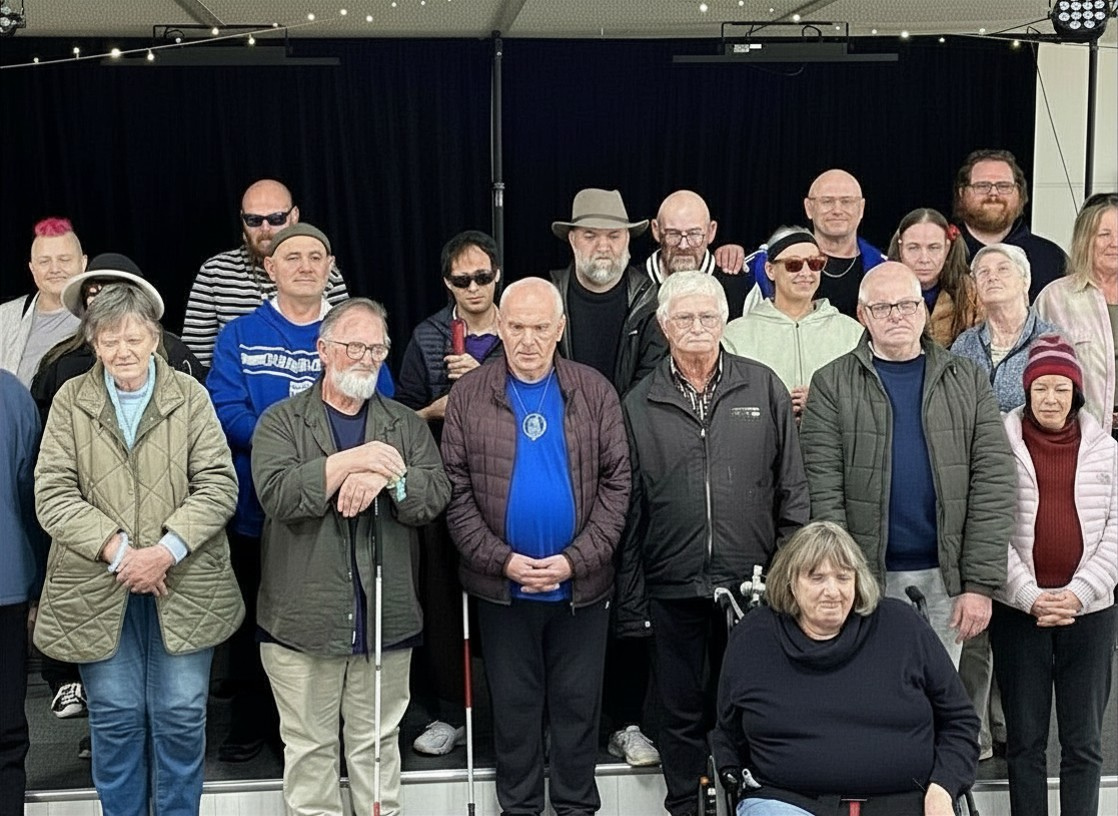
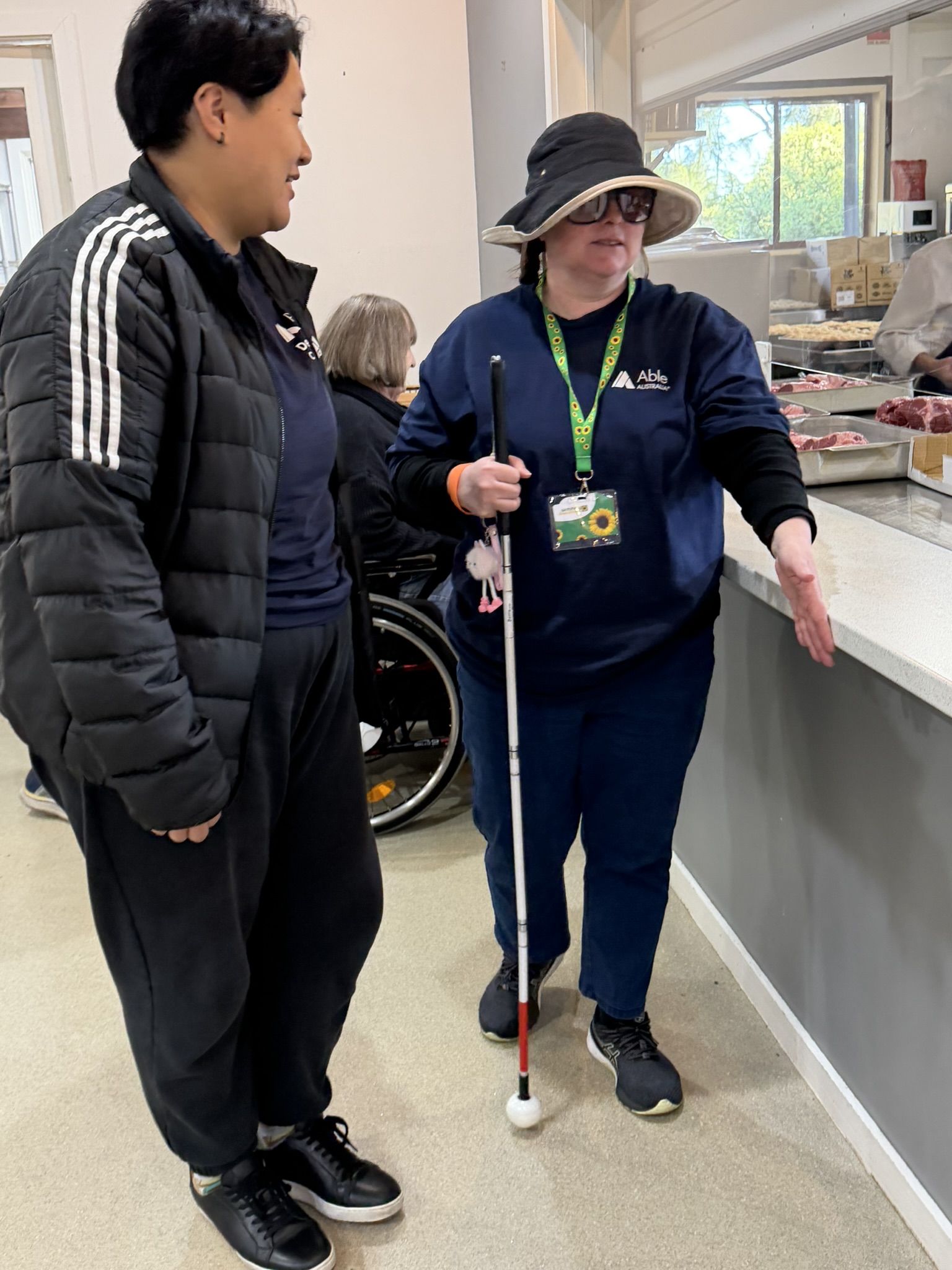
At Deafblind Camp, access is not an afterthought. It is built into every part of the experience from the very beginning. Whether through Auslan, tactile sign, Deafblind fingerspelling, visual frame signing, large print, Braille or Communication Guides, camp created a space where everybody could connect, communicate and participate in the way that worked best for them.
As camper Melinda shared:
Everybody is so understanding of people who can’t hear or can’t see. So you don’t even have to set up and explain everything. You’re just there and having fun.
For some campers, it was a chance to reconnect with old friends. For others, it was their first opportunity to connect with the wider Deafblind community. Across the three days, people built new skills, shared knowledge, explored new experiences and learned from each other.
I think having shared experiences with people and learning new ways to communicate and learning that other people have obstacles like I do, but we just learn ways to overcome them – Melinda
Throughout camp there was a strong focus on activities that were tactile, sensory and fully accessible.
An Orientation and Mobility workshop gave campers the opportunity to explore the main hall and create tactile maps using everyday objects on mini whiteboards. The workshop helped people learn the environment, build confidence and navigate unfamiliar spaces safely and independently.
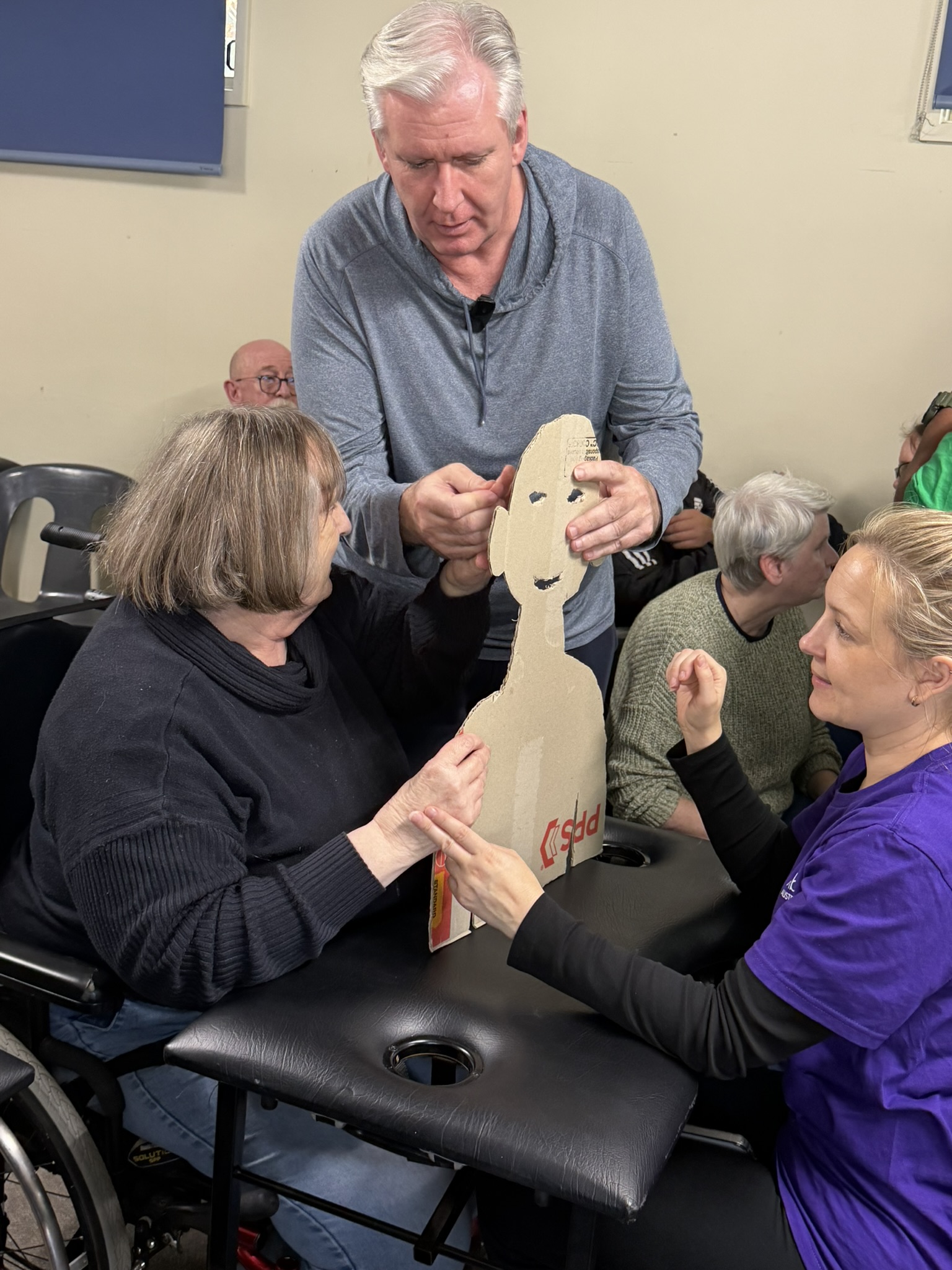
Mental health and wellbeing were also a focus. Campers explored Emotional Freedom Techniques, also known as “tapping”, using tactile body maps and high contrast materials designed to support accessibility.
One camper reflected:
I liked the cardboard cutout because I was able to know the different areas for tapping through touch before it was explained, which was really helpful.
Campers also explored horticulture through touch, smell and taste, with many reflecting on the calming sensory experience.
I loved the horticulture because after smelling all of the herbs, I realised later that I actually felt calmer.
Other activities encouraged people to step outside their comfort zones and try something new, including reptile encounters with turtles, blue tongue lizards, shingleback skinks and two very popular bearded dragons named Dumpling and Lenny.
As the sun went down, camp came alive in different ways. Braille Bingo brought fierce competition, loud banter and plenty of laughs, with accessible bingo cards available in print, large print and Braille.
The final night’s Stars and Idols disco became one of the biggest highlights of camp. Campers dressed up, performed on stage and celebrated together in an atmosphere full of energy, confidence and joy.
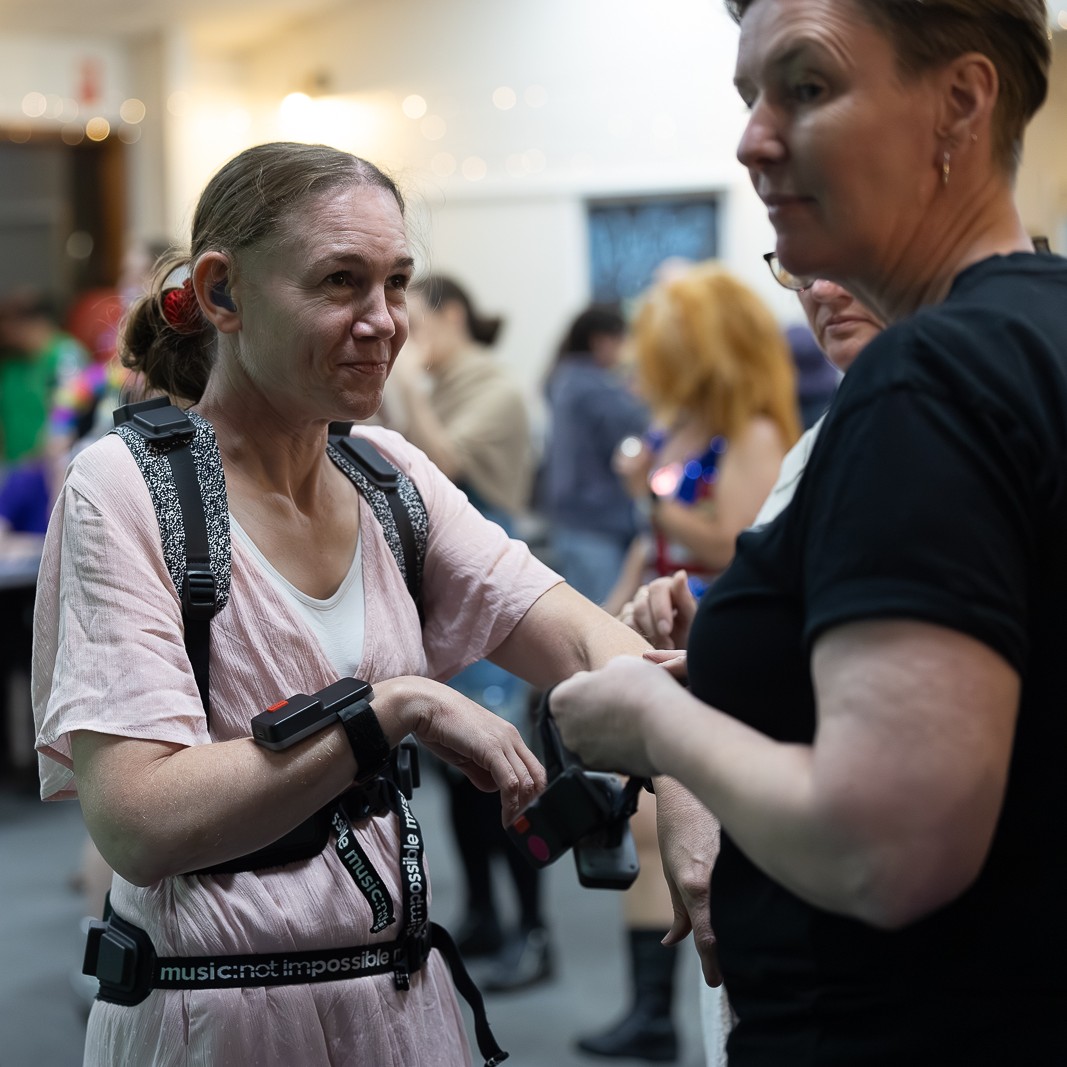
For many, the wearable haptic music vests were a standout experience. The vests use vibration points placed across the body to help wearers feel different parts of the music, including bass, guitars and rhythm.
Camp Coordinator Alex said the disco was one of the most rewarding parts of camp.
One of the best parts of this disco was seeing Deafblind people having the confidence to step up on stage, perform different songs and show their creativity through their costumes.
The night featured emotional performances, drag, dancing, costumes and a crowd chanting for “more” when the DJ finished his set.
Importantly, many activities throughout the camp were led by members of the Deafblind community, the Deaf community and allies. Campers also had opportunities to shape the future of camp itself, including voting on the future name of Deafblind Camp.
For Camp Committee Member Rodney, this leadership was significant.
This is the first time in our Deafblind history that a camp has been led by a Deafblind group.
For Camp Committee Member Jasper, camp represented something even deeper.
Connection to community, no matter how much our social needs or energy vary, connection to people with shared experiences and values is really important in some way to all of us.
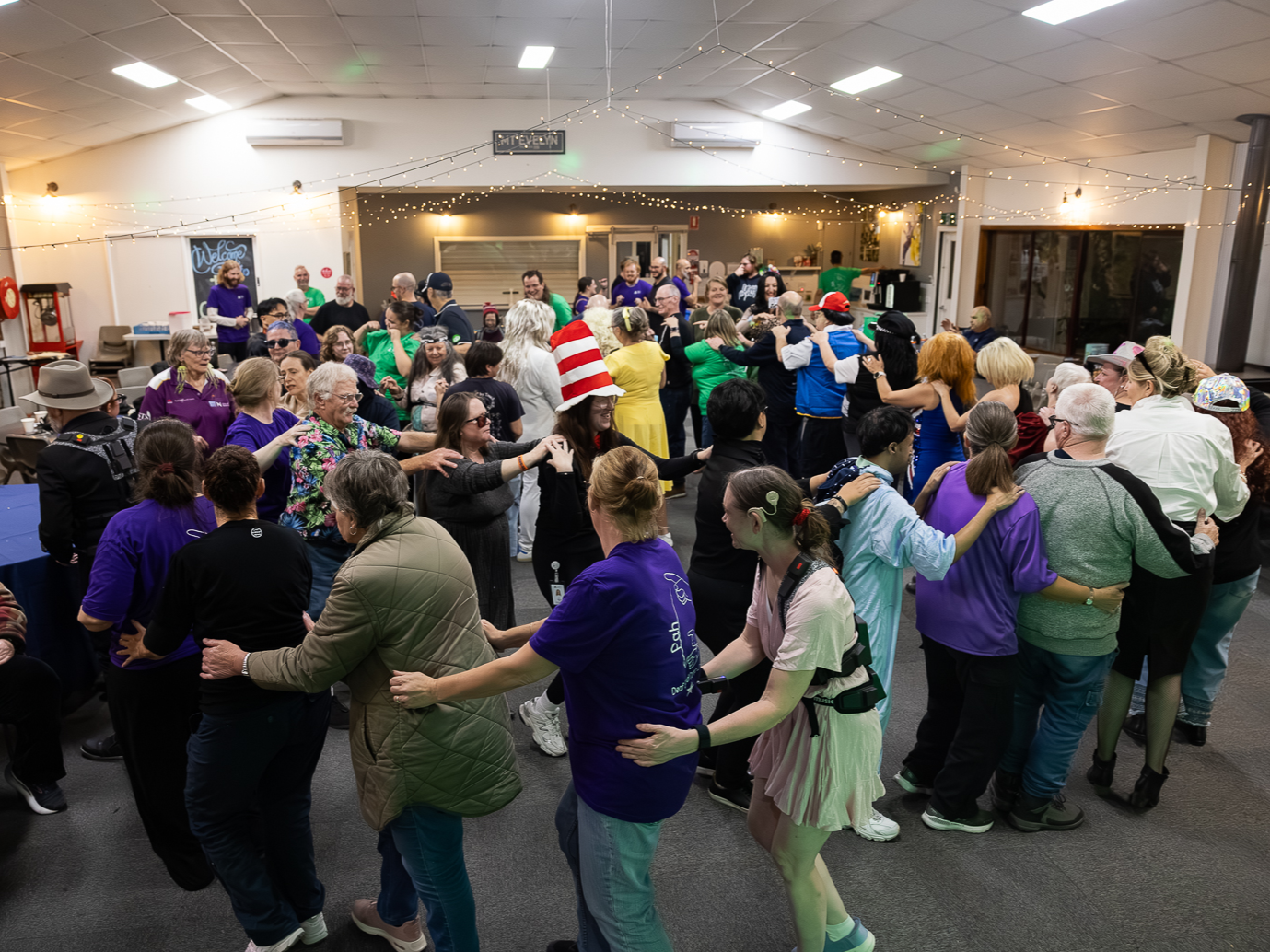
Alex said one of the most meaningful parts of camp was seeing people build connections and confidence throughout the camp.
Quite a lot of Deafblind campers came up to me and told me this was the best camp they’ve attended.
He also reflected on the importance of Deafblind leadership at camp.
The fact that they saw that it was a Deafblind person as Camp Coordinator made them feel more connected to this Deafblind Camp than any other camp before.
Oasis Camp staff were also recognised for their welcoming approach and willingness to quickly adapt to accessibility needs throughout the event, helping create an environment where everybody could participate fully.
The Deafblind Camp was made possible thanks to the generous support of our donors and funding from The Lionel & Yvonne Spencer Trust and the Olver-Carlyle Charitable Foundation.
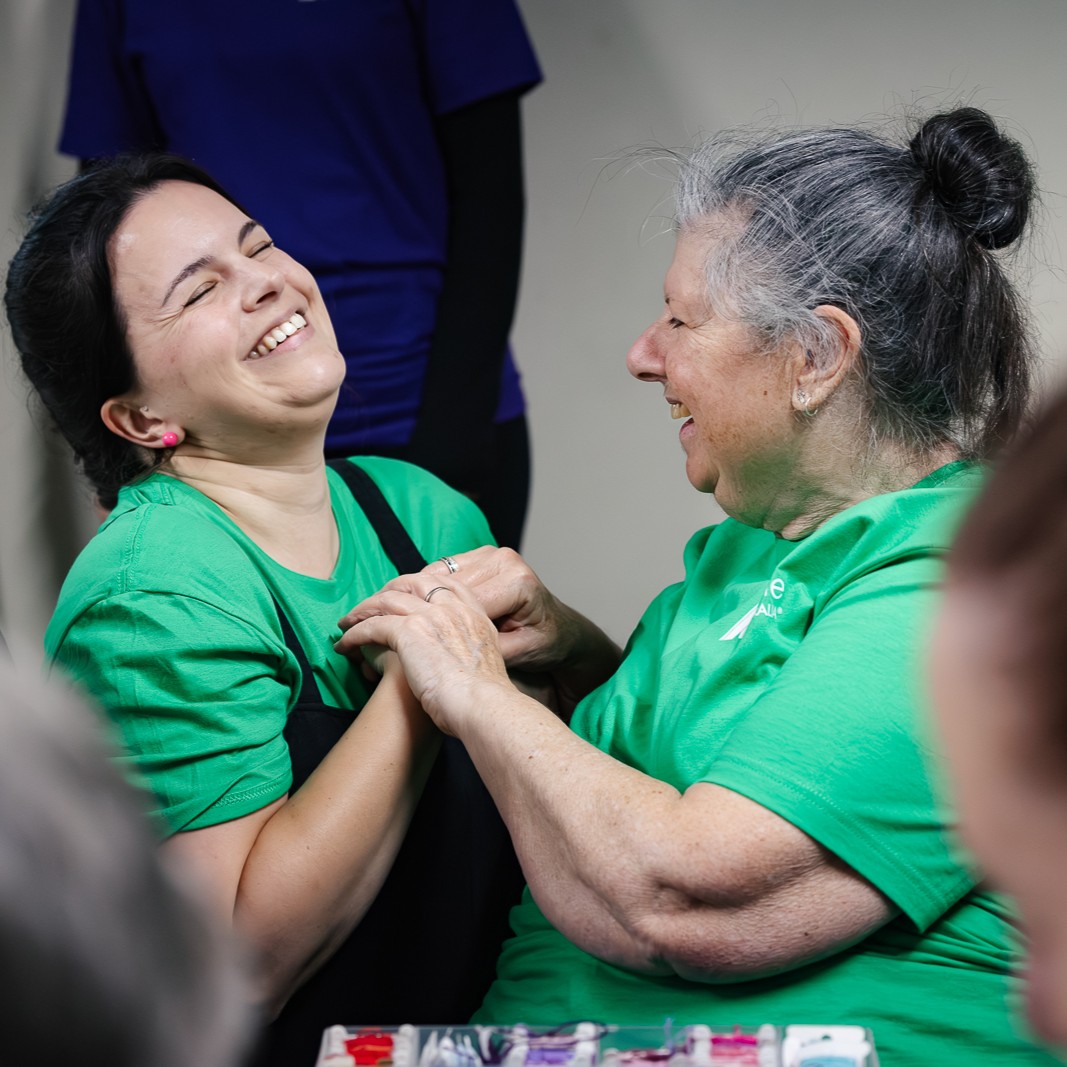
Most importantly, Deafblind Camp created a space where people could simply be themselves. A space where communication worked, the environment worked, and everybody could fully take part in their own way.
I think I learnt a lot from my peers and actually doing the shared experiences together, we learn from each other. – Melinda
Better Days belong here.